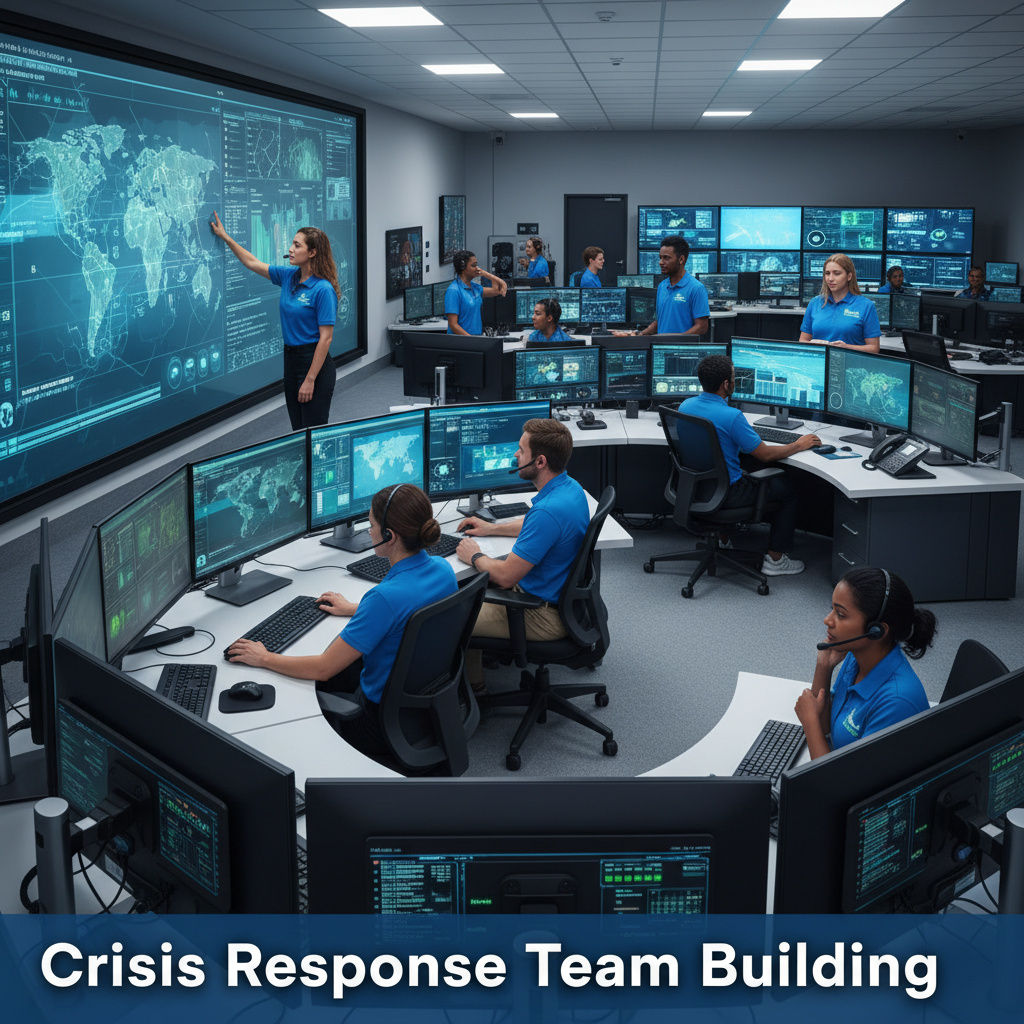
Why a Crisis Response Team is Essential
In emergencies, the difference between chaos and control is a well-prepared crisis response team. For 24-hour emergency services, this team is the backbone of operational resilience.
Key Roles in a Crisis Response Team
- Team Leader: Coordinates efforts and makes critical decisions.
- Communications Officer: Manages internal and external messaging.
- Logistics Coordinator: Ensures resources are available and deployed effectively.
- Field Operatives: Execute on-the-ground actions.
Steps to Build Your Team
1. Define Responsibilities Clearly
Each team member must understand their role and how it fits into the larger response plan.
2. Recruit for Diverse Skills
Look for individuals with expertise in leadership, communication, logistics, and technical operations.
3. Provide Comprehensive Training
Regular drills and scenario-based training ensure the team is ready for any situation.
Real-World Example: A Successful Response
During a recent natural disaster, a city’s crisis response team effectively managed resources, communicated with the public, and coordinated rescue operations. Their preparation saved lives and minimized damage.
What Makes an Effective Team?
- Adaptability: Ability to pivot based on evolving situations.
- Strong Communication: Clear, concise messaging to avoid confusion.
- Trust: Team members must rely on each other’s expertise and judgment.
Challenges and Solutions
Challenge: Limited Resources
Solution: Prioritize training and use technology to maximize efficiency.
Challenge: Lack of Coordination
Solution: Implement regular briefings and use centralized communication tools.
Measuring Success
Evaluate your team’s effectiveness through:
- Post-incident reviews to identify strengths and areas for improvement.
- Feedback from stakeholders and affected communities.
- Tracking response times and outcomes against benchmarks.
Final Thoughts
A crisis response team isn’t just a luxury—it’s a necessity for businesses that operate in high-stakes environments. By investing in team building and training, you ensure your organization is prepared to face any challenge head-on.
Your Turn
What steps are you taking to build or improve your crisis response team? Share your strategies below and let’s learn from each other.




0 Comments